
Best JLPT N3 Kanji Books - Intermediate Control Guide
Choose kanji materials that match N3 goals, exam pressure, and real study time
What are the best JLPT N3 kanji books?
- Best first pick: The Kodansha Kanji Learner Course.
- Best supporting stack: Remembering the Kanji 1, Kanji Look and Learn, Tobira.
- Study timeline: 6-9 months of focused intermediate study.
- What to check before buying: Prioritize books with component breakdowns, stroke order where useful, readings in real words, and plenty of mixed review.
- How to use the books: Treat kanji as vocabulary infrastructure: learn compounds, readings, and meanings together whenever possible.
- Daily practice: Review components, read three to five example words, write only the characters that still confuse you, then test recognition in context.
Why Kanji Matters for JLPT N3
JLPT N3 kanji study is for intermediate learners bridging classroom Japanese and native materials who are moving from textbook comfort to authentic intermediate comprehension. At this level, the exam focus is paragraph cohesion, nuanced grammar, broader vocabulary, and practical inference. A useful kanji book should not just list content; it should help you practice recall, timing, and review decisions in the way the JLPT actually tests them. Kanji knowledge improves vocabulary recognition, reading speed, and confidence with answer choices that use similar-looking words. For this route, start with The Kodansha Kanji Learner Course, then use Remembering the Kanji 1, Kanji Look and Learn, Tobira when you need a second explanation, more drills, or a final review pass. The target is around 3,750 words, 650 kanji, and grammar that connects ideas across full passages. The biggest risk is underestimating the jump from sentence-level answers to passage-level reasoning, so the strongest plan is to choose one main book, finish its exercises, and use the filtered recommendations on this page to fill specific weak points.
Recommended N3 Kanji Books (2)
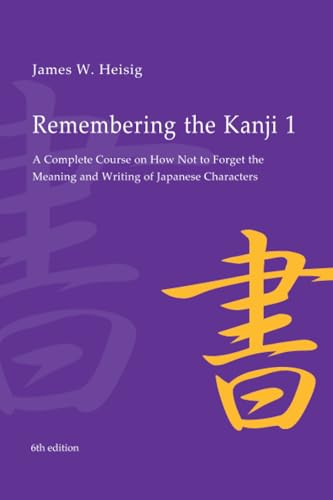
Remembering the Kanji 1
By James W. Heisig
Revolutionary method for learning 2,200 kanji through imaginative stories. Focus on meaning before readings.
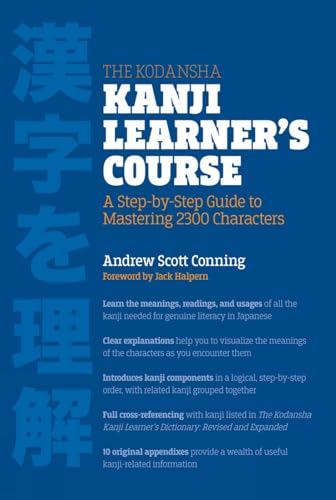
The Kodansha Kanji Learner's Course
By Andrew Scott Conning
Systematic approach to 2,300 kanji with mnemonics, stroke order, and vocabulary. Modern alternative to Heisig.