
Best JLPT N4 Kanji Books - Upper-Beginner Progress Guide
Choose kanji materials that match N4 goals, exam pressure, and real study time
What are the best JLPT N4 kanji books?
- Best first pick: Basic Kanji Book Vol.2.
- Best supporting stack: Kanji Look and Learn, Essential Japanese Kanji Volume 1, Nihongo So-Matome N4.
- Study timeline: 4-8 months after N5-level basics.
- What to check before buying: Prioritize books with component breakdowns, stroke order where useful, readings in real words, and plenty of mixed review.
- How to use the books: Move beyond one-character recognition by learning compounds that appear in signs, schedules, and everyday messages.
- Daily practice: Review components, read three to five example words, write only the characters that still confuse you, then test recognition in context.
Why Kanji Matters for JLPT N4
JLPT N4 kanji study is for upper-beginner learners who have finished the first textbook cycle who are turning beginner knowledge into usable reading and listening skill. At this level, the exam focus is longer everyday passages, more verb forms, common compound sentences, and faster audio. A useful kanji book should not just list content; it should help you practice recall, timing, and review decisions in the way the JLPT actually tests them. Kanji knowledge improves vocabulary recognition, reading speed, and confidence with answer choices that use similar-looking words. For this route, start with Basic Kanji Book Vol.2, then use Kanji Look and Learn, Essential Japanese Kanji Volume 1, Nihongo So-Matome N4 when you need a second explanation, more drills, or a final review pass. The target is about 1,500 words, 300 kanji, and enough grammar to follow everyday explanations. The biggest risk is recognizing patterns in isolation but missing them in paragraph-length context, so the strongest plan is to choose one main book, finish its exercises, and use the filtered recommendations on this page to fill specific weak points.
Recommended N4 Kanji Books (3)

Basic Kanji Book Vol.2
By Chieko Kano et al.
Second volume covering 250 additional kanji characters essential for N4 level.
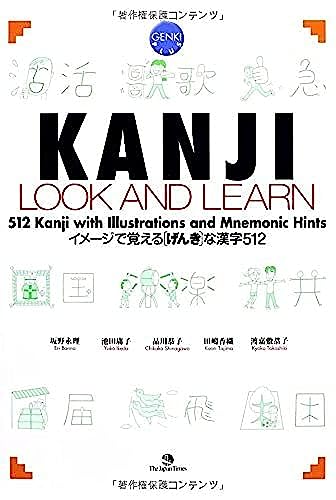
Kanji Look and Learn
By Eri Banno, Yoko Ikeda
Visual approach to learning 512 kanji through illustrations and mnemonics. Perfect companion to Genki textbooks.
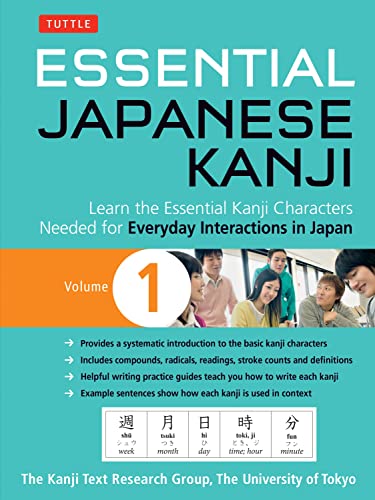
Essential Japanese Kanji Volume 1
By University of Tokyo Kanji Research Group
410 essential kanji for N5-N4 level. Includes stroke order, compounds, and memory tips.