
Best JLPT N5 Kanji Books - Beginner Foundation Guide
Choose kanji materials that match N5 goals, exam pressure, and real study time
What are the best JLPT N5 kanji books?
- Best first pick: Basic Kanji Book Vol.1.
- Best supporting stack: Nihongo So-Matome N5, Remembering the Kana, Kanji Look and Learn.
- Study timeline: 3-6 months of steady study.
- What to check before buying: Prioritize books with component breakdowns, stroke order where useful, readings in real words, and plenty of mixed review.
- How to use the books: Study a small kanji set two or three times a week and connect each character to words already in your N5 vocabulary list.
- Daily practice: Review components, read three to five example words, write only the characters that still confuse you, then test recognition in context.
Why Kanji Matters for JLPT N5
JLPT N5 kanji study is for absolute beginners and first-time JLPT learners who are building the first reliable base in Japanese. At this level, the exam focus is basic sentence patterns, everyday words, kana confidence, and short messages. A useful kanji book should not just list content; it should help you practice recall, timing, and review decisions in the way the JLPT actually tests them. Kanji knowledge improves vocabulary recognition, reading speed, and confidence with answer choices that use similar-looking words. For this route, start with Basic Kanji Book Vol.1, then use Nihongo So-Matome N5, Remembering the Kana, Kanji Look and Learn when you need a second explanation, more drills, or a final review pass. The target is roughly 800 words, 100 kanji, and the core grammar needed for daily situations. The biggest risk is jumping between resources before kana, particles, and basic verb forms feel automatic, so the strongest plan is to choose one main book, finish its exercises, and use the filtered recommendations on this page to fill specific weak points.
Recommended N5 Kanji Books (6)
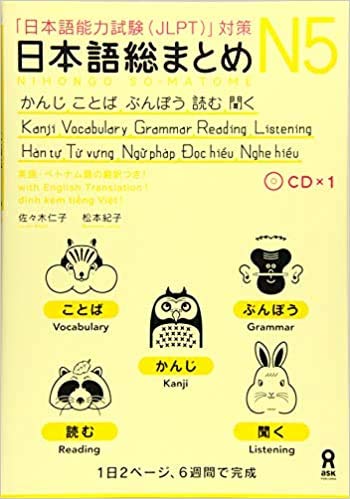
Nihongo So-Matome JLPT N5
By Nihongo So-Matome Series
All-in-one 6-week program covering vocabulary, grammar, kanji, reading, and listening tailored for JLPT N5.

Basic Kanji Book Vol.1
By Chieko Kano et al.
Classic kanji primer introducing 250 fundamental characters with stroke order, readings, and practice exercises—perfect for N5/N4 kanji.

Nihongo So-Matome N5
By Hitoko Sasaki, Noriko Matsumoto
Comprehensive JLPT N5 preparation covering grammar, vocabulary, kanji, reading, and listening in one convenient book.
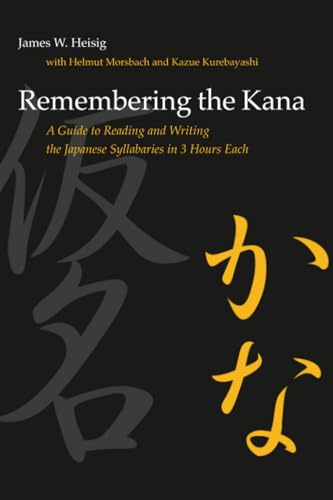
Remembering the Kana
By James W. Heisig
Learn all hiragana and katakana in just 3 hours using imaginative memory techniques. Perfect foundation for kanji study.

JLPT N5 Vocabulary Word List
By Clay Boutwell, Yumi Boutwell
Complete N5 vocabulary with example sentences, kanji readings, and English translations. Pocket-sized for study anywhere.

Shin Kanzen Master N5 Kanji and Vocabulary Sprint
By Yukari Honda, Kanae Maebo, Yuko Sugawara, Yuko Seki
This N5 kanji and vocabulary sprint book is best used as a focused final-review layer, not as your only vocabulary source. Its value is in forcing quick recognition of beginner words, kanji forms, readings, and small meaning differences that become easy to confuse during the language-knowledge section. The book fits learners who have already met the words in a textbook or flashcard deck and now need exam-style retrieval, especially for common nouns, verbs, adjectives, dates, counters, classroom words, shopping terms, and everyday action vocabulary.