Best JLPT Listening Books - Complete Guide
Master listening comprehension with audio practice materials
What are the best JLPT listening books?
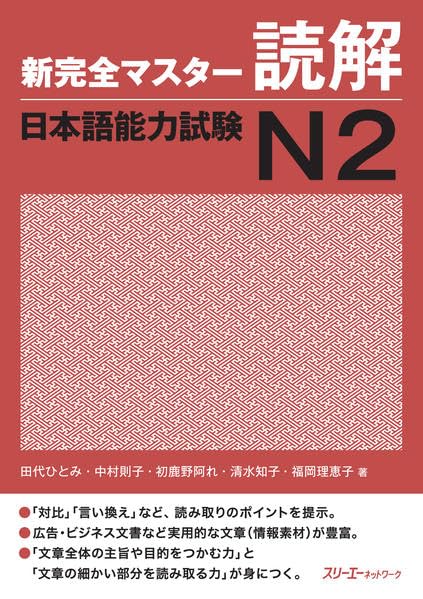
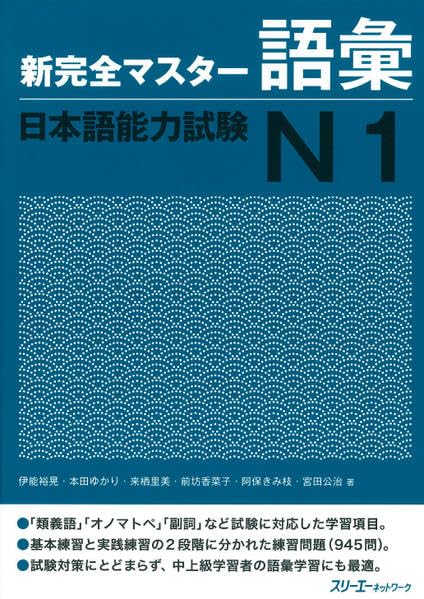
- All Levels: Shin Kanzen Master Listening (comprehensive with multiple audio CDs, strategies for each question type)
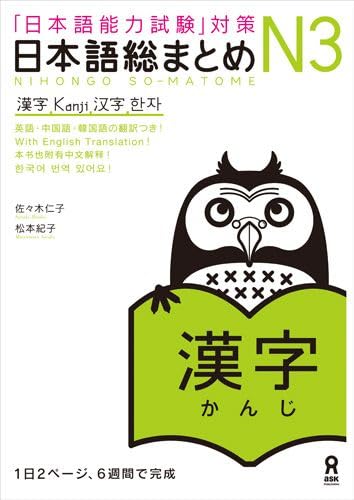
- Quick Review: Nihongo So-Matome Listening (6-week intensive practice with efficient daily lessons)
- Integrated: Try! JLPT series and textbooks (Genki, Tobira) with thematic listening sections
- Strategy Focus: Listening comprehension workbooks with note-taking techniques and prediction skills
- Supplementary: Japanese podcasts (Nihongo con Teppei, Learn Japanese Pod), news (NHK Easy), anime, dramas, YouTube channels
- All books include complete transcripts, vocabulary glossaries, grammar notes, and detailed answer explanations
- Use alongside reading books to strengthen comprehension through both audio and text
为什么对JLPT很重要
Listening comprehension is often the most challenging JLPT section for many learners, accounting for approximately 33% of the total score and requiring real-time processing without the ability to review. The JLPT listening section tests multiple skills through distinct question types: task-based listening (understanding instructions and completing tasks), point comprehension (grasping specific details from conversations), general comprehension (understanding main ideas and overall meaning), verbal expressions (identifying appropriate responses), and quick response questions (selecting immediate replies to prompts). Effective listening books provide authentic audio materials recorded by native speakers, diverse speaking styles and speeds matching test conditions, systematic exposure to various accents, practical strategies for each question type (note-taking, keyword recognition, anticipating content), detailed transcripts for review and analysis, vocabulary and grammar explanations, and progressive difficulty building listening stamina. Most quality listening books include audio CDs, downloadable MP3s, or streaming access. Developing listening skills requires integration with reading comprehension, vocabulary knowledge, and grammar understanding.
JLPT Listening Books Feature Comparison
| Book | Audio Format | Transcripts | Question Types | Best For |
|---|---|---|---|---|
| Shin Kanzen Master Listening | CD + download | Complete | All JLPT formats | Comprehensive test prep |
| Nihongo So-Matome Listening | CD | Complete | Key formats | Quick intensive review |
| Try! JLPT Listening | Download | Complete | Integrated practice | Balanced skill building |
| Genki/Tobira audio | CD/streaming | In textbook | Textbook exercises | Integrated textbook study |
| Japanese podcasts | Streaming | Sometimes | None | Supplementary immersion |
推荐的书籍()