Best JLPT Kanji Books - Complete Guide
Master kanji characters with expert-recommended study materials
What are the best JLPT kanji books?
- N5-N4: Kanji Look and Learn (visual mnemonics with illustrated stories), Genki Kanji workbooks with integrated practice
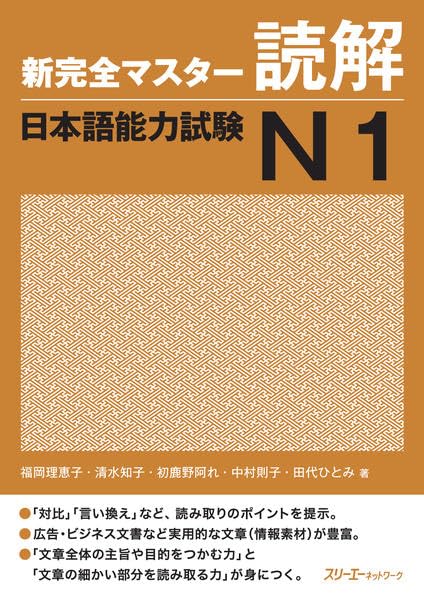
- N3-N1: Shin Kanzen Master Kanji (comprehensive JLPT coverage with reading strategies and compound vocabulary)
- Alternative Method: Remember the Kanji I & II by Heisig (systematic mnemonic method covering all jouyou kanji)
- Practice: Dedicated kanji workbooks with stroke order practice, writing drills, and compound exercises
- Radical Method: Kodansha Kanji Learner's Course organizing kanji by graphical components
- All books include multiple readings (on-yomi and kun-yomi), core meanings, and extensive example vocabulary
- Integrate kanji books with vocabulary books for learning words in their kanji forms
JLPTでが重要な理由
Kanji mastery is crucial for JLPT success and Japanese literacy, forming the foundation for reading comprehension and vocabulary knowledge. Each level requires specific kanji knowledge: N5 (100 kanji), N4 (300 kanji), N3 (650 kanji), N2 (1,000 kanji), and N1 (2,136 jouyou kanji plus additional characters). Understanding kanji goes beyond simple recognition - it requires knowing stroke order for proper writing, multiple readings (on-yomi Chinese readings and kun-yomi Japanese readings), core meanings and nuances, common compounds and collocations, radicals and components for systematic learning. The best kanji books employ proven memory techniques including visual mnemonics, etymological explanations, systematic radical-based organization, and extensive practice with authentic vocabulary. Effective kanji study integrates with vocabulary learning, as most vocabulary words use kanji, and supports reading comprehension skills.
JLPT Kanji Books Comparison Guide
| Method | Book | Readings Taught | Mnemonics | Best For |
|---|---|---|---|---|
| Integrated | Genki, Tobira kanji sections | Yes, with vocab | Limited | Learners using these textbooks |
| JLPT-Focused | Shin Kanzen Master Kanji | Yes, comprehensive | Some | Test-focused study by level |
| Mnemonic | Remember the Kanji (Heisig) | No (meanings only) | Extensive | Systematic learners, memory focus |
| Visual | Kanji Look and Learn | Yes, with vocab | Illustrated stories | Visual learners, N5-N4 |
| Radical-Based | Kodansha Kanji Course | Yes, detailed | Component-based | Systematic learners wanting depth |
おすすめの本(冊)