Best JLPT Reading Books - Complete Guide
Improve reading comprehension with targeted practice materials
What are the best JLPT reading books?
- N5-N4: Japanese Graded Readers (level-appropriate stories with controlled vocabulary and grammar)
- N3-N1: Shin Kanzen Master Reading (extensive practice passages with test-taking strategies and question analysis)
- Integrated: Tobira and other textbooks with thematic reading sections building comprehension skills
- Skill Building: Speed Reading Japanese by Nishinaka (specific techniques for improving reading speed and efficiency)
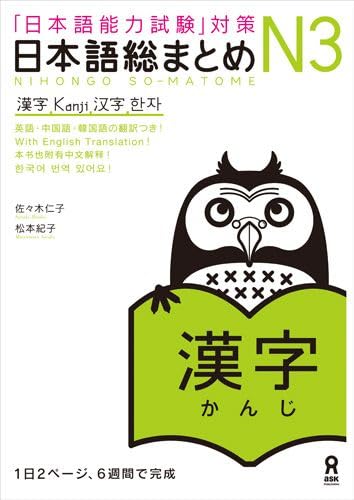
- Strategy Focus: Nihongo So-Matome Reading (6-8 week focused practice with quick tips)
- All books include detailed comprehension questions, complete vocabulary glossaries, grammar explanations, and answer keys with rationales
- Combine reading books with vocabulary books and kanji books for understanding all passage elements
JLPTでが重要な理由
Reading comprehension is a major component of the JLPT, often accounting for 40-50% of the total score and requiring integrated knowledge of grammar, vocabulary, and kanji. The reading section tests your ability to understand various text types including short passages (advertisements, emails, notices, instructions), medium-length texts (articles, blog posts, informational writing), long passages (essays, opinions, narratives, explanations), and information retrieval (charts, schedules, manuals, reference materials). Effective reading books provide graduated difficulty levels matching JLPT progression, extensive vocabulary support with glossaries, authentic comprehension questions mirroring test formats, strategic approaches for different question types (main idea, detail, inference, author's intent), time management techniques for test conditions, and explanations of correct and incorrect answers. Building reading skills requires systematic practice combined with strong foundational knowledge from grammar books, vocabulary books, and kanji books.
JLPT Reading Materials Comparison
| Type | Example | Questions Included | Vocabulary Support | Best Use |
|---|---|---|---|---|
| JLPT Prep Books | Shin Kanzen Master Reading | Yes, test-format | Complete glossaries | Test strategies and practice |
| Graded Readers | Japanese Graded Readers | Sometimes | Full translations | Building reading fluency |
| Speed Reading | Speed Reading Japanese | Yes, timed | Limited | Improving reading speed |
| Integrated Texts | Tobira reading sections | Yes | In-text glossaries | Comprehensive textbook study |
| Authentic Materials | NHK News, blogs | No | None | Real-world comprehension practice |
おすすめの本(冊)